





Creating a relaxing home office environment is more important than ever. As many people spend significant time working from home, the space where you work can greatly influence your productivity and overall well-being. A calm, well-organised workspace helps reduce stress, improve focus, and make working hours more enjoyable.
In this post, we will explore practical tips to transform your home office into a relaxing and efficient space that supports your work and personal health.
Why a Relaxing Home Office Matters
When your workspace feels cluttered, noisy, or uninspiring, it can be difficult to concentrate or maintain motivation. Conversely, a well-designed and peaceful environment can:
– Reduce distractions
– Encourage better posture and comfort
– Improve mood and focus
– Increase job satisfaction
Investing time and thought into your home office setup benefits both your professional output and mental well-being.
Choosing the Right Location
Find a Quiet, Low-Traffic Area
Select a spot in your home where interruptions are rare. Avoid places near busy kitchens, living rooms, or entrances. If space is limited, consider using room dividers or noise-cancelling headphones to reduce disruptions.
Optimize Natural Light
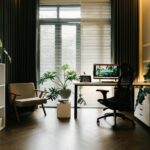
Position your desk near a window to enjoy natural light, which can boost your mood and energy levels. However, be mindful of glare on your computer screen and adjust accordingly with blinds or curtains.
Ergonomic and Comfortable Furniture
Invest in a Good Chair
A supportive office chair helps prevent back and neck pain. Look for adjustable chairs with lumbar support that accommodate your body shape and encourage proper posture.
Desk Height and Arrangement
Your desk should allow your arms to rest comfortably at a 90-degree angle when typing. Keep frequently used items within easy reach to minimise stretch and strain.
Add Comfortable Accessories
Consider a footrest, wrist pads, or an adjustable monitor stand to enhance comfort during long hours of work.
Decluttering and Organising Your Space
Keep Surfaces Clear
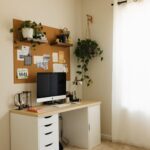
A clutter-free desk helps clear your mind and keeps distractions at bay. Use storage boxes or drawers to put away documents and supplies.
Use Organisers and Labels
Employ trays, file holders, and labelled containers to keep everything in its place. This also saves time searching for items, improving your workflow.
Regularly Review and Simplify
Take a moment each week to tidy your space and remove anything unnecessary to maintain a neat environment.
Incorporating Calming Elements
Choose Soothing Colours
Soft, neutral colours like light blues, greens, or greys can create a relaxing atmosphere. Avoid overly bright or dark tones that may cause stress or fatigue.
Add Plants
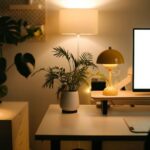
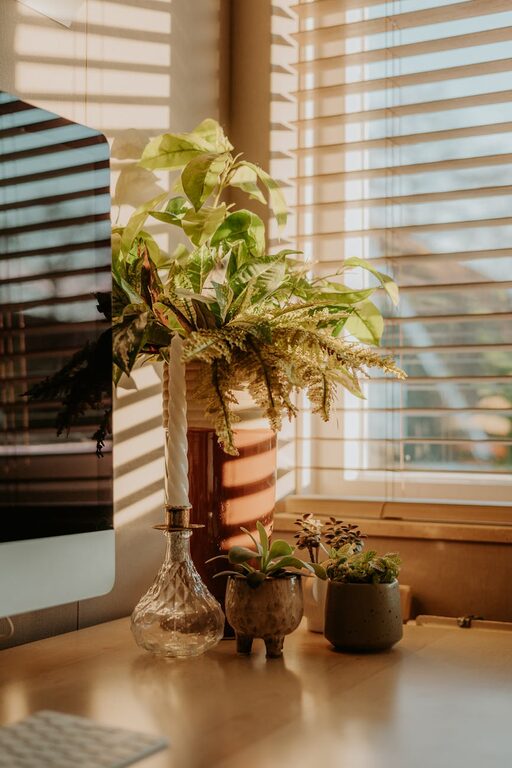
Indoor plants not only improve air quality but also provide a touch of nature that can reduce anxiety and increase productivity.
Use Gentle Lighting
Complement natural light with warm, adjustable lamps to avoid harsh overhead lights. Soft lighting supports eye comfort and creates a welcoming ambiance.
Incorporate Personal Touches
Display a few favourite items like photographs, artwork, or objects that inspire you. These help personalise your space and uplift your mood without overcrowding.
Managing Noise and Distractions
Soundproofing Tips
Use carpets, curtains, or acoustic panels to absorb noise. Placing shelves or bookcases along walls can also reduce echo and distractions.
Background Sounds
If complete silence is uncomfortable, try gentle white noise, nature sounds, or calm instrumental music to improve focus and mask external noises.
Set Boundaries
Communicate your working hours with family or housemates to minimise interruptions. Use “do not disturb” signs if needed.
Establishing a Routine and Mindful Habits
Dedicated Work Times
Stick to a consistent schedule to train your brain for focus during work hours and rest afterward.
Take Regular Breaks
Short breaks every hour help prevent burnout. Stretch, walk, or do brief mindfulness exercises to refresh your mind.
Keep Hydrated and Nourished
Keep a water bottle nearby and eat healthy snacks. Your physical well-being directly affects concentration.
Final Thoughts
Creating a relaxing home office is a worthwhile effort that pays dividends in productivity and well-being. By choosing the right location, investing in ergonomic furniture, keeping your space organised, incorporating calming décor, managing noise, and practising mindful habits, you can enjoy a harmonious work-from-home experience.
Remember, the key is to design a space that feels inviting and supports your personal working style. Start with small changes and observe how they impact your comfort and efficiency. A peaceful home office isn’t just about aesthetics—it’s about crafting an environment where your best work can happen with less stress and more satisfaction.